Redkale 入门教程 01 -- Hello Word!
Redkale 可以说是Java界最精简的框架,不到1M的jar包可以替代Tomcat、Spring/Spring Boot、Hibernate/MyBatis、JackJson/fastjson、Netty的集合,四两拨千斤。低调开源一年多,经过两次大的改善后终于达到让自己满意的地步。Redkale不仅仅提供简易的API,还附有很多不同于传统思维的设计思路。由于时间有限,一年多也没写入门教程,现在开始抽点时间写一些教程,希望能给想学Redkale的同学一点帮助。 废话不多说,下面进入正题。
下载Redkale
源码可以从 https://github.com/redkale 和 http://git.oschina.net/redkale/redkale 下载 。
jar包可以从 http://search.maven.org 和 https://repo1.maven.org/maven2/org/redkale/redkale/ 下载最新版本的包。
当前最新版为 1.8, 下载 redkale-1.8.tar.gz 放在本地。
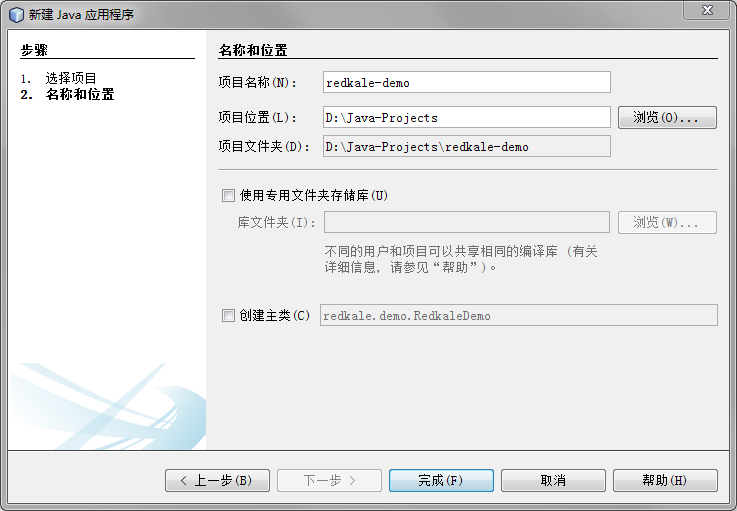
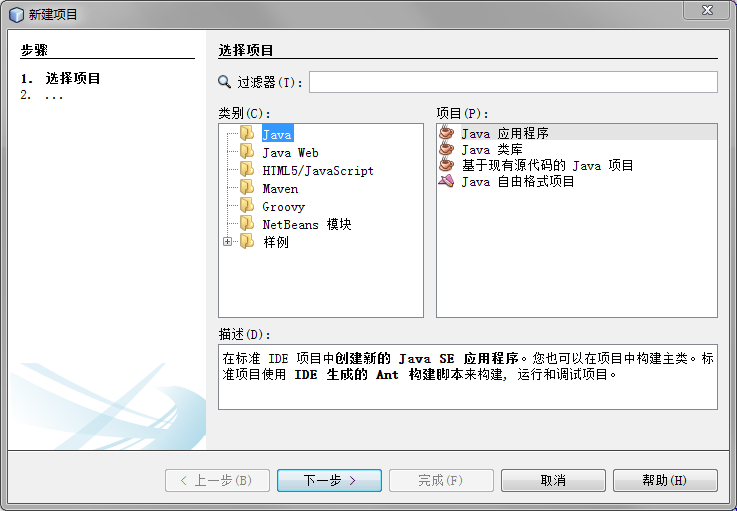
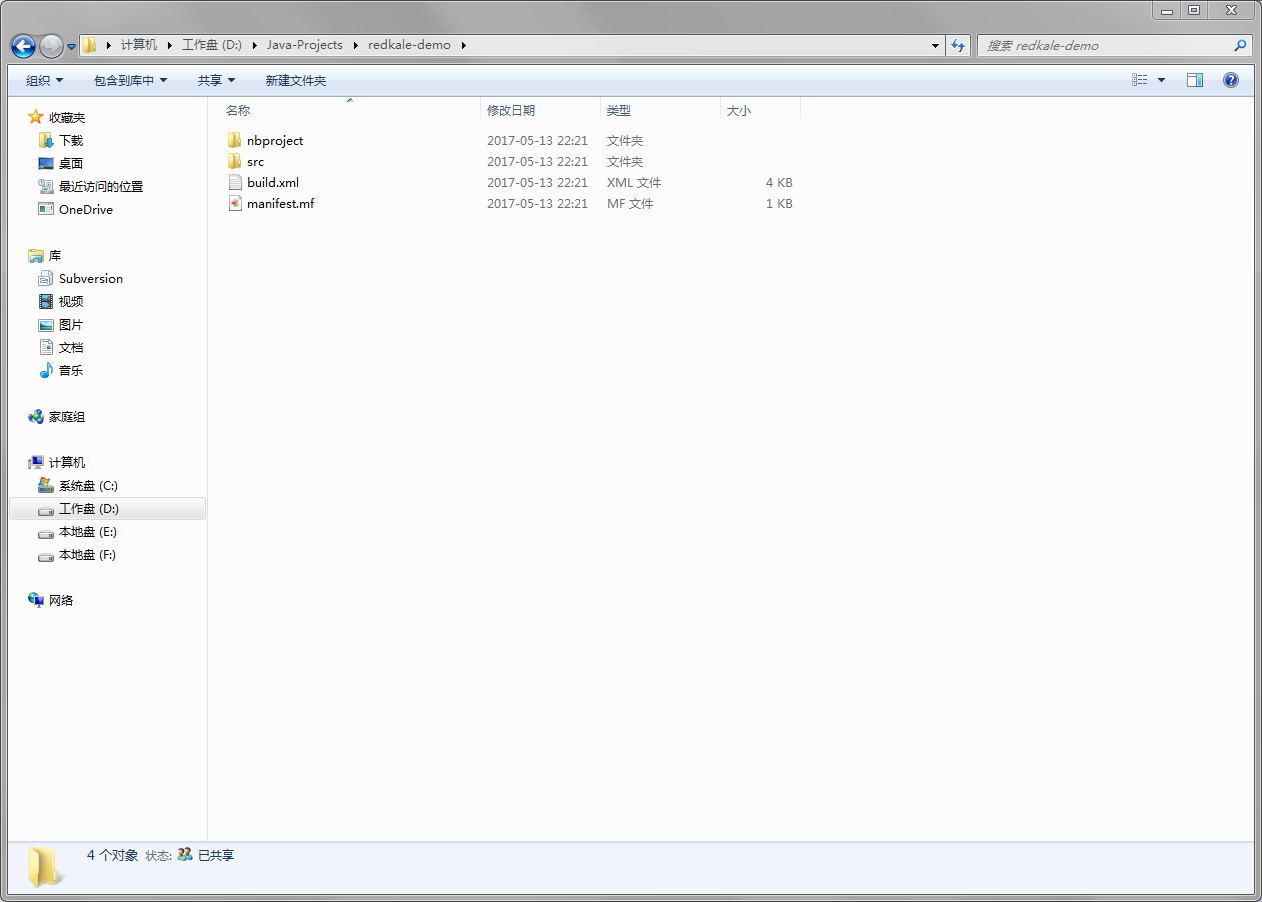
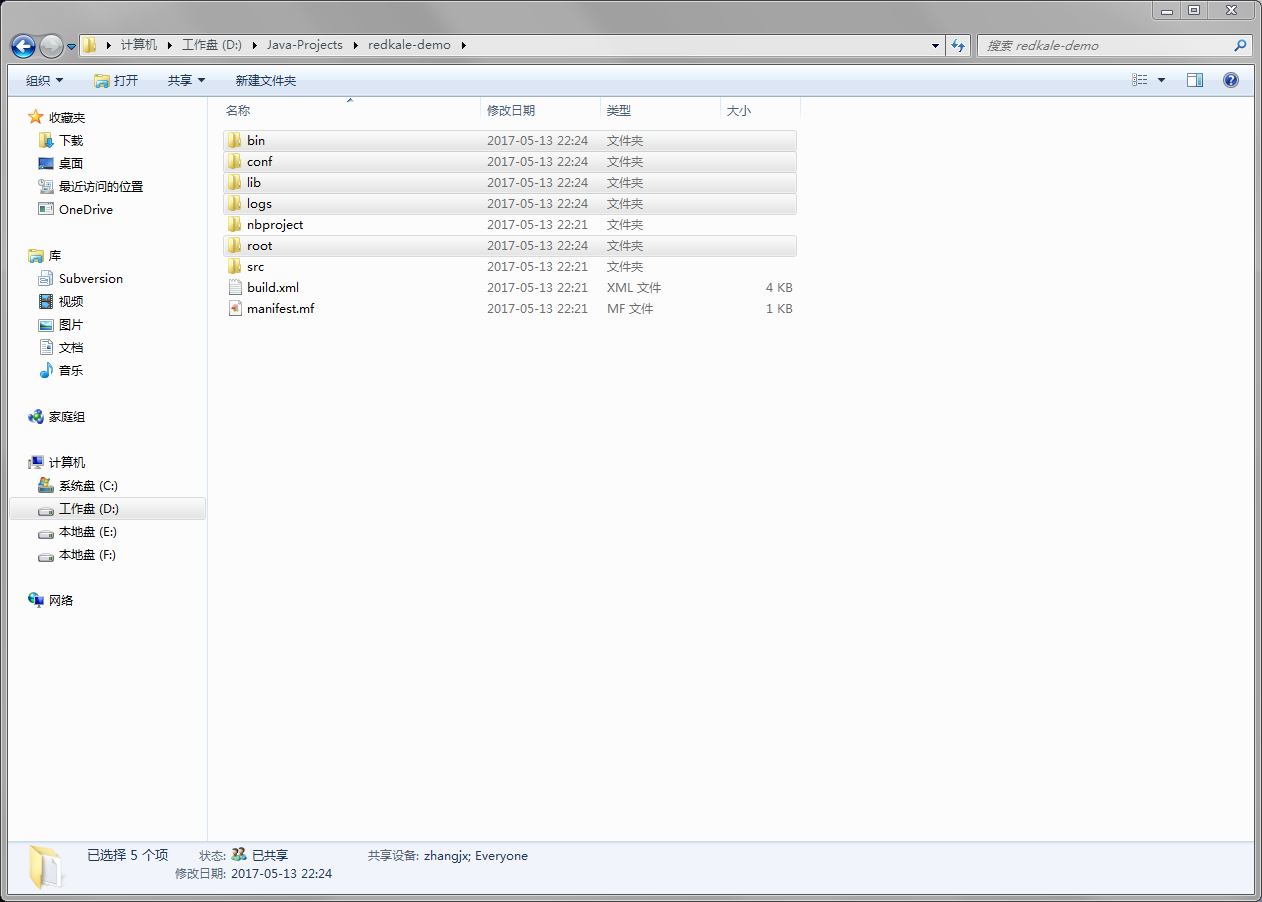
创建工程
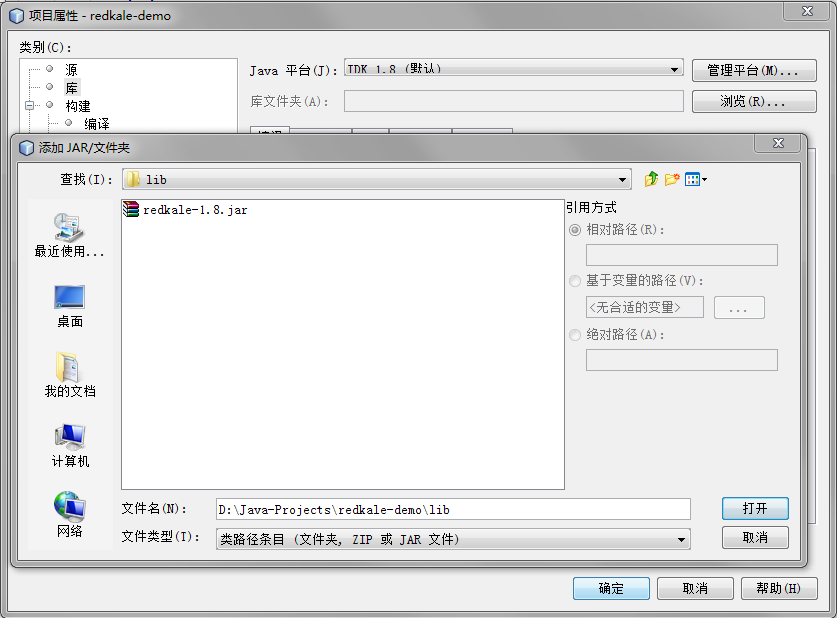
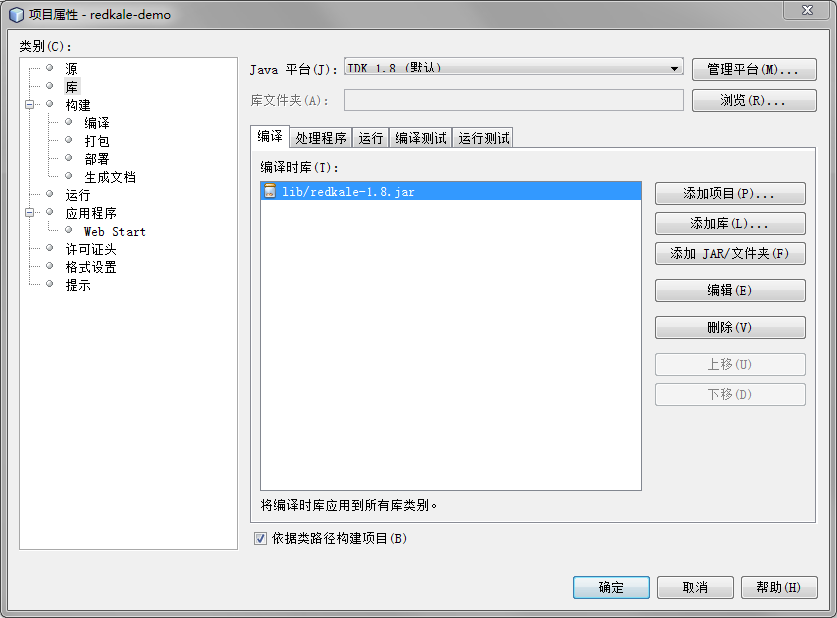
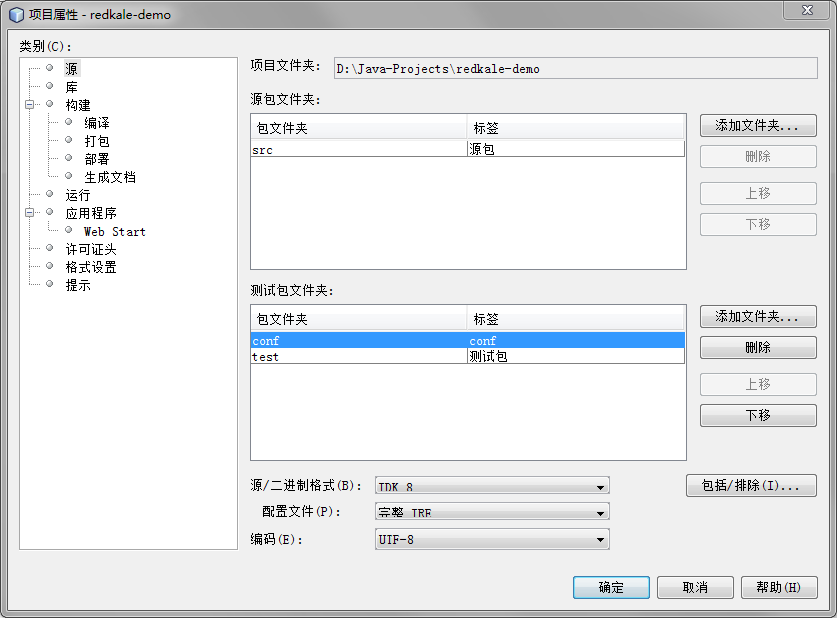
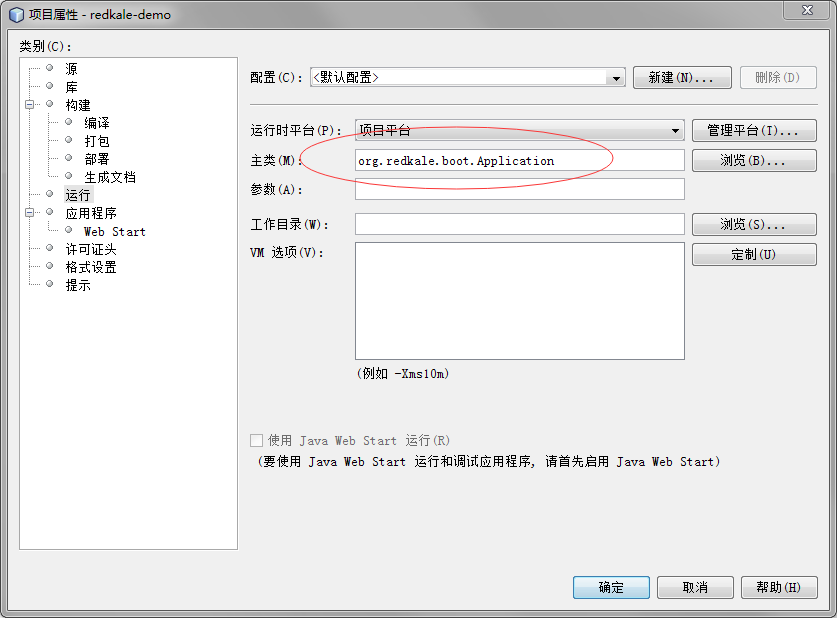
本人使用NetBeans很多年了,所以本教程以NetBeans来创建工程, 使用IntelliJ IDEA 或 Eclipse的同学请自行参考。
public final <E> Encodeable<W, E> findEncoder(final Type type) {
    Encodeable<W, E> rs = (Encodeable<W, E>) encoders.get(type);
    if (rs != null) return rs;
    return this.parent == null ? null : this.parent.findEncoder(type);
}
当搜索不到Encoder、Decoder时,自身的ConvertFactory会自动创建一个ObjectEncoder、ObjectDecoder。
public final <E> Encodeable<W, E> loadEncoder(final Type type) {
    Encodeable<W, E> encoder = findEncoder(type);
    if (encoder != null) return encoder;
    if (type instanceof GenericArrayType) return new ArrayEncoder(this, type);
    Class clazz;
    if (type instanceof ParameterizedType) {
        final ParameterizedType pts = (ParameterizedType) type;
        clazz = (Class) (pts).getRawType();
    } else if (type instanceof TypeVariable) {
        TypeVariable tv = (TypeVariable) type;
        Type t = Object.class;
        if (tv.getBounds().length == 1) {
            t = tv.getBounds()[0];
        }
        if (!(t instanceof Class)) t = Object.class;
        clazz = (Class) t;
    } else if (type instanceof Class) {
        clazz = (Class) type;
    } else {
        throw new ConvertException("not support the type (" + type + ")");
    }
    encoder = findEncoder(clazz);
    if (encoder != null) return encoder;
    return createEncoder(type, clazz);
}
大部分情况下Convert的处理对象会根据JavaBean类自定生成,而有些场景需要覆盖处理类,这样需要子ConvertFactory,如 Convert基本用法 例子中使用JsonFactory.root().createChild()重定义。且与JsonFactory.root()中的定义可以并存,也不会产出冲突。
Redkale可以启动多个协议Server服务(配置文件中含多个server节点),为避免冲突,每个非SNCP的Server的ResourceFactory也是独立的。
public NodeServer(Application application, Server server) {
    this.application = application;
    this.resourceFactory = application.getResourceFactory().createChild();
    this.server = server;
    this.logger = Logger.getLogger(this.getClass().getSimpleName());
}
双亲委托模型既可让同级子Factory保持独立,也可重用父Factory内的配置,因此在Redkale这种支持多Server、多种配置的场景下很是适合。